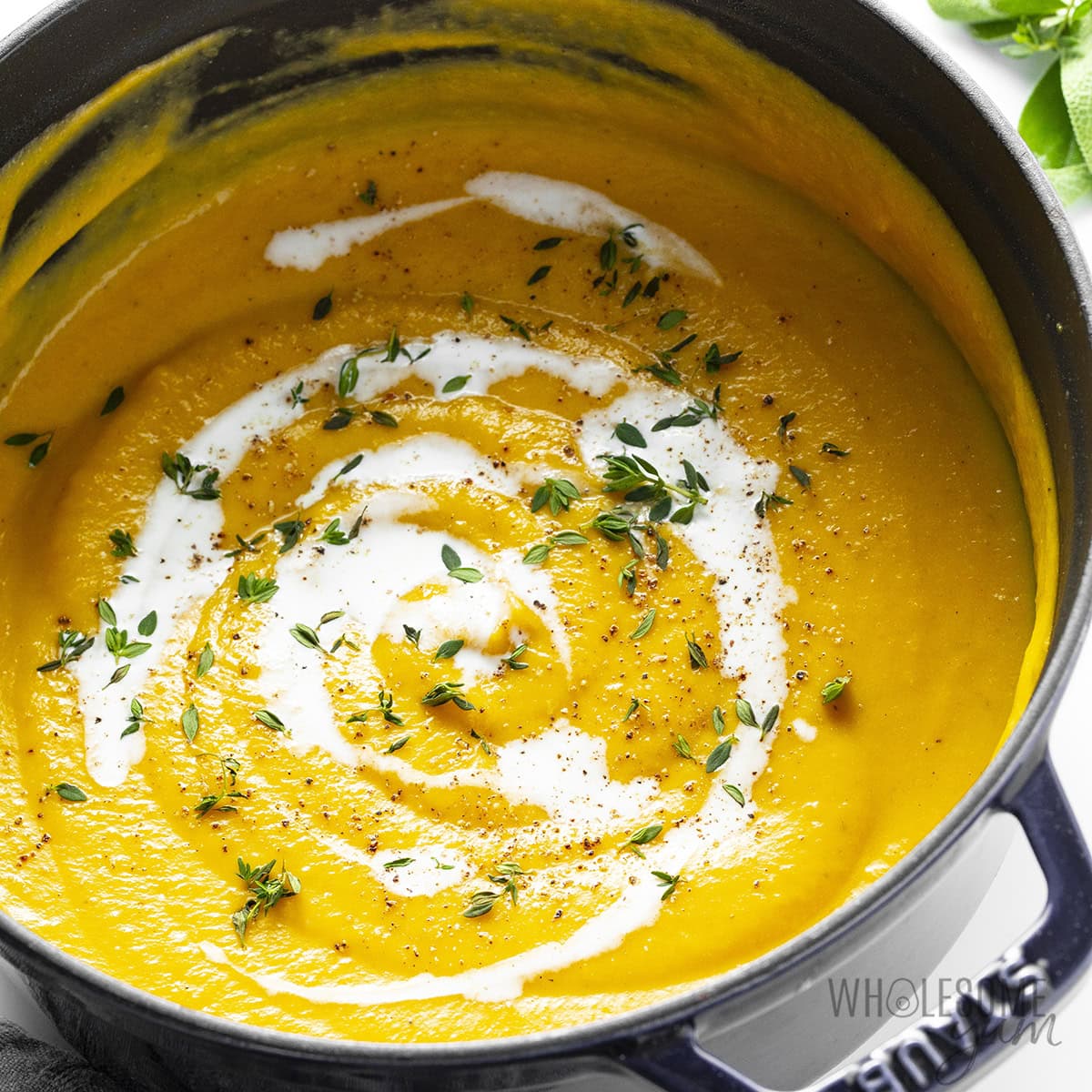
Easy Butternut Squash Soup: Your Creamy, Cozy, and Customizable Fall Favorite
As autumn leaves begin to paint the landscape in hues of amber and gold, there's one dish that consistently captures the essence of the season: a warm, velvety bowl of butternut squash soup. Far from intimidating, this creamy, cozy concoction is surprisingly easy to make, offering a comforting embrace that nourishes both body and soul. Whether you're a seasoned chef or a kitchen novice, mastering this flavorful soup promises a delightful culinary experience that's both healthy and utterly satisfying.
This isn't just any butternut squash soup recipe; it's a guide to unlocking rich, natural flavors through a simple yet impactful roasting technique, allowing for a depth and sweetness that store-bought versions simply can't replicate. With its inherent versatility, you can tailor every element, from its spice profile to its creamy texture, making it perfectly suited for a weeknight dinner, a festive holiday starter, or a cozy weekend lunch.
Why Roasted Butternut Squash Soup Reigns Supreme
The secret to an extraordinary butternut squash soup lies in one crucial step: roasting the squash. While boiling or steaming might seem quicker, the high heat of the oven performs a culinary magic trick, caramelizing the natural sugars within the squash and intensifying its flavor profile dramatically. This process transforms a mild vegetable into a sweet, nutty, and incredibly complex base for your soup.
The Magic of Roasting
When butternut squash is roasted, its edges brown and sweeten, creating a rich, almost smoky depth that forms the backbone of the soup. This isn't merely about cooking the squash; it's about concentrating its essence and developing new dimensions of taste. Plus, a fantastic side benefit is that roasted squash is significantly easier to peel and cut into chunks once it's tender, saving you from wrestling with tough raw skin. Many home cooks swear by this method for ease and superior flavor, a concept further explored in our guide,
Roasted Butternut Squash Soup: Unlock Rich Flavor & Sweetness. You can even roast your squash a day or two ahead of time, making soup assembly a breeze on a busy evening.
Building Layers of Flavor
Beyond the squash itself, the true artistry of this soup comes from building harmonious layers of flavor. Sweet, caramelized squash finds its perfect partner in aromatic ingredients like sautéed onion and garlic. A hint of fresh ginger adds a gentle, warming spice that elevates the entire dish, while a tiny pinch of cayenne pepper can introduce a subtle, exciting kick without overwhelming the palate. These simple additions create a robust and satisfying foundation, ensuring your butternut squash soup is far from bland.
Crafting Your Perfect Bowl: A Step-by-Step Guide
Making homemade butternut squash soup is a rewarding process, and breaking it down into manageable steps makes it even easier.
Step 1: Selecting and Roasting Your Squash
Begin by choosing a butternut squash that feels notably heavy for its size and has smooth, unblemished skin. A heavier squash generally indicates more dense, flavorful flesh. You have two options for preparation: either peel and dice it yourself (about 4-5 cups worth) or look for pre-peeled and diced squash in your grocery store's produce section for ultimate convenience.
To roast, simply cut the squash in half lengthwise and scoop out the seeds and stringy bits. Place the halves cut-side down on a parchment-lined baking sheet. Rub a light coating of olive oil over the skin. Roast in a preheated oven at 425°F (220°C) until the flesh is fork-tender, typically 30-45 minutes depending on size. Let it cool slightly – just enough so you can handle it comfortably – then the skin will practically slide off, and you can easily cut the soft flesh into chunks.
Step 2: Sautéing Aromatics and Spices
While your squash cools, begin building the soup's aromatic base. In a large, heavy-bottomed pot or Dutch oven, heat a tablespoon or two of olive oil over medium heat. Add finely chopped onion and sauté until it softens and just begins to turn golden, about 5-7 minutes. This gentle caramelization adds sweetness and depth. Next, stir in minced garlic and grated fresh ginger. If you enjoy a touch of heat, now is the time to add a tiny pinch of cayenne pepper. Sauté for another minute until fragrant, being careful not to burn the garlic.
Step 3: Simmering to Perfection
Pour in about 4-6 cups of low-sodium vegetable or chicken stock. Using low-sodium stock is key, as it allows you to control the final salt content of your soup. Add your roasted squash chunks to the pot. At this stage, you can also stir in a little brown sugar or a drizzle of maple syrup if you anticipate needing a touch more sweetness, though it's often best to taste at the end. Bring the mixture to a gentle simmer, then cover the pot and let it cook for 10-15 minutes. This simmering period allows all the flavors to meld beautifully and ensures the squash is incredibly tender for blending.
Step 4: Achieving Silky Smoothness
Once the squash is very tender, it’s time to transform your chunky mixture into a luscious, creamy soup. An immersion blender is a fantastic tool for this, as it allows you to blend directly in the pot, minimizing cleanup. If using a traditional blender, work in batches. Always allow the hot soup to cool slightly before transferring it to the blender, and never fill the blender more than halfway. Secure the lid tightly, holding it down with a kitchen towel, and start blending on a low speed, gradually increasing. This prevents hot liquid from escaping and causing burns. Blend until the soup is perfectly smooth and creamy. You can then add more stock, a little at a time, until you reach your desired consistency – whether you prefer a thick, hearty soup or a slightly thinner one ideal for bread-dunking. For more detailed insights on this crucial step, consult our guide,
Master Butternut Squash Soup: Essential Roasting & Blending Tips.
Step 5: The Finishing Touches and Customization
Return the blended soup to the pot over low heat. Now is the crucial moment for tasting and adjusting. Season generously with salt and freshly ground black pepper. If your squash wasn't sweet enough, stir in a bit more brown sugar, maple syrup, or even honey. For a bright, tangy sparkle that cuts through the richness, a splash of rice vinegar (as recommended by some culinary experts) can work wonders. This step is about balancing all the flavors to your personal preference.
Elevate Your Butternut Squash Soup: Customization & Serving Ideas
The beauty of butternut squash soup lies in its adaptability. Once you have a delicious base, the possibilities for customization are endless.
Making it Creamy (Dairy/Non-Dairy)
While the natural starchiness of butternut squash creates a surprisingly creamy texture on its own, you can enhance this further. For a truly decadent soup, stir in a splash of heavy cream, half-and-half, or even a dollop of sour cream or crème fraîche just before serving, warming it gently through without boiling. For a dairy-free or vegan option, full-fat coconut milk provides an equally luxurious creaminess and a subtle, delightful tropical note that pairs wonderfully with the squash and ginger.
Sweetness and Tang Balance
As mentioned, butternut squash's sweetness can vary. If you find your soup needs a boost, brown sugar or maple syrup will add depth, while honey offers a lighter sweetness. On the other hand, to brighten the flavors and prevent the soup from tasting too flat, a dash of acidity is key. A small amount of rice vinegar, apple cider vinegar, or even a squeeze of fresh lemon juice at the end can provide that perfect tangy sparkle, balancing the sweetness and making the other flavors pop. Always add these in small increments and taste as you go.
Vegan & Vegetarian Friendly
This butternut squash soup recipe is incredibly easy to make vegan or vegetarian. Simply ensure you use vegetable stock instead of chicken broth. When adding creaminess, opt for coconut milk or your favorite plant-based cream alternative. The rich flavors of the roasted squash, aromatics, and spices ensure that a vegan version is just as hearty and satisfying as any other.
Creative Garnishes
Garnishes aren't just for show; they add texture, flavor, and visual appeal that elevate your butternut squash soup experience. Consider these ideas:
*
Crunchy Toppings: Toasted pumpkin seeds (pepitas), croutons, crispy fried sage leaves, toasted pecans or walnuts, or even a sprinkle of crispy bacon bits.
*
Creamy Swirls: A dollop of sour cream, plain Greek yogurt, crème fraîche, or coconut cream.
*
Fresh Herbs: A sprinkle of fresh chopped chives, parsley, or cilantro.
*
Cheesy Touches: Grated Parmesan, crumbled goat cheese, feta, or sharp cheddar can add a salty, savory contrast.
*
Spicy Drizzles: A swirl of chili oil or a sprinkle of red pepper flakes for an extra kick.
From its humble origins as a simple squash to a gourmet-worthy bowl of comfort, butternut squash soup offers endless possibilities. Its ease of preparation combined with its customizable nature makes it a perfect dish for any occasion.
Embrace the season and warm your home with the inviting aroma of this homemade delight. With these tips and techniques, you're not just making a meal; you're crafting an experience – a creamy, cozy, and utterly satisfying bowl of butternut squash soup that’s uniquely yours. So gather your ingredients, fire up the oven, and prepare to indulge in the comforting flavors of autumn.