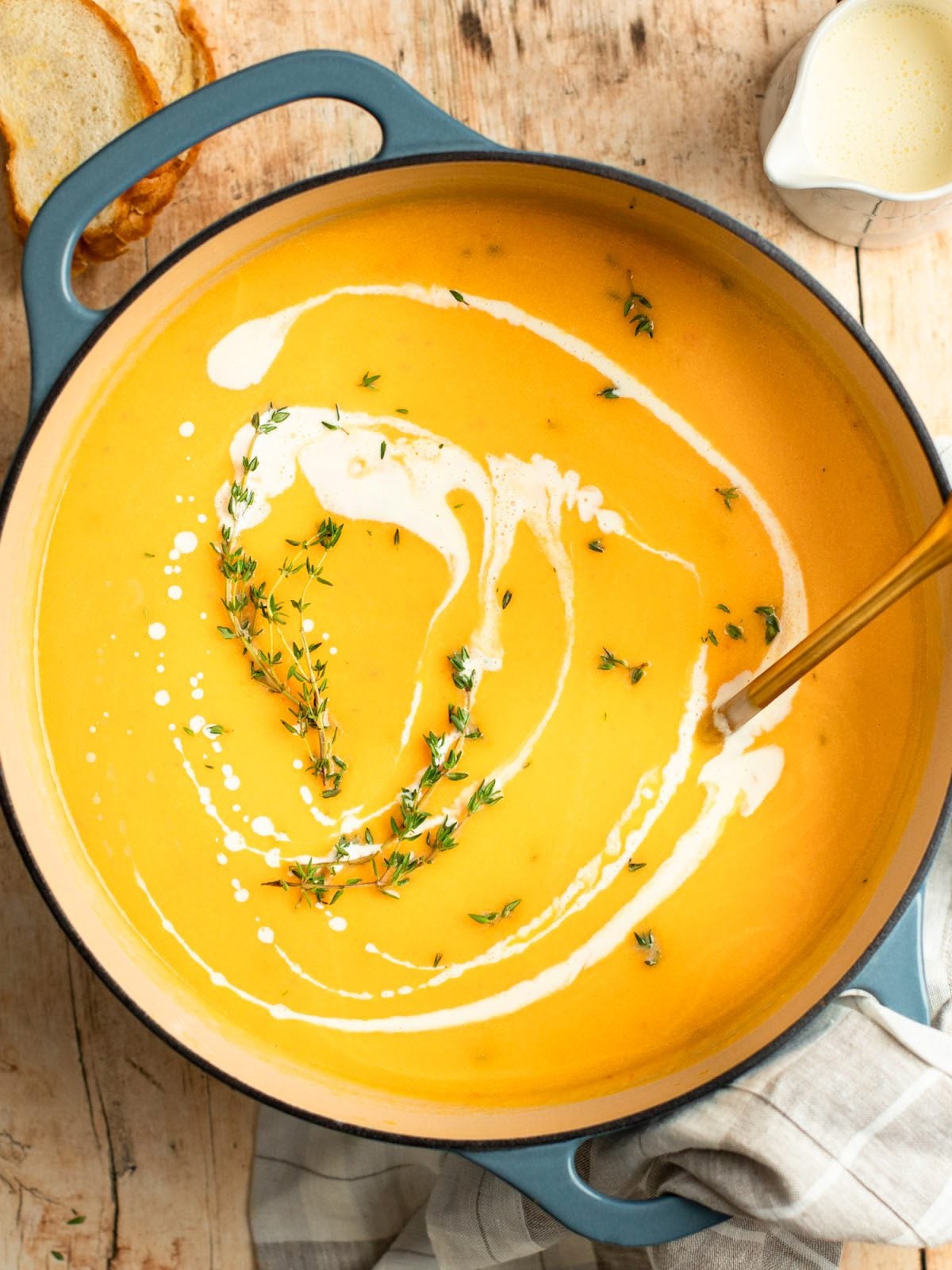
Master Butternut Squash Soup: Essential Roasting & Blending Tips for Unforgettable Flavor
There’s a reason butternut squash soup reigns supreme as a comfort food classic, particularly as the days grow shorter and a chill fills the air. Its naturally sweet, earthy flavor, coupled with a creamy, velvety texture, makes it a staple for cozy weeknight dinners, elegant holiday starters, and everything in between. But what truly elevates a simple
butternut squash soup from good to unforgettable? The secret lies in two fundamental techniques: expertly roasting your squash and achieving the perfect blend. This comprehensive guide will walk you through these essential steps, providing insights and tips to help you craft a bowl of butternut squash soup that’s bursting with concentrated flavor and a luxuriously smooth consistency.
Unlocking Deep Flavor: The Art of Roasting Butternut Squash
Roasting isn't just a preparatory step; it's a flavor-building powerhouse. This process transforms the humble squash, coaxing out its inherent sweetness and adding layers of nutty, caramelized notes that boiling simply can't achieve. Think of it as developing the soul of your soup.
Choosing and Preparing Your Squash
The journey to perfect soup begins at the market. Select a butternut squash that feels heavy for its size, indicating a good moisture content and dense flesh, with smooth, blemish-free skin. While some recipes suggest peeling raw squash (a truly Herculean task!), roasting first makes the skin remarkably easy to remove. Alternatively, save yourself some prep time by purchasing pre-peeled and diced butternut squash from your grocery store's produce section, aiming for about 4-5 cups.
To roast, cut your squash in half lengthwise and scoop out the seeds and stringy bits. A sturdy spoon works well for this. You can discard the seeds, or clean and roast them for a crunchy garnish later! Drizzle a little olive oil over the cut sides and skin, then place the halves cut-side down on a parchment-lined baking sheet. This ensures easy cleanup and prevents sticking.
The Magic of High Heat: Caramelization Explained
Roast your squash in a preheated oven at 425°F (220°C). The high temperature is crucial here. It encourages the Maillard reaction – a chemical process responsible for the browning and creation of thousands of new flavor compounds in food. As the squash roasts, its natural sugars caramelize, deepening its flavor profile exponentially. You'll know it's ready when the flesh is fork-tender, and the edges begin to show beautiful golden-brown caramelization, usually after 40-60 minutes, depending on the size of your squash.
Once cooled slightly, the skin will practically slide off. You can then easily chop the tender flesh into chunks, ready for your soup. This roasting step is so fundamental to the richness of the soup that it's worth mastering on its own. In fact, if you'd like to dive deeper into perfecting this technique, check out our guide on
Roasted Butternut Squash Soup: Unlock Rich Flavor & Sweetness. A fantastic tip for meal prepping is to roast the squash a day or two ahead of time; it stores beautifully in the fridge and makes soup assembly a breeze.
Building the Flavor Base: Aromatics & Simmering
With your roasted squash ready, it’s time to construct the aromatic foundation of your
butternut squash soup. This layer of flavor ensures every spoonful is rich and satisfying.
Sautéing the Aromatic Trio
In a large pot or Dutch oven, heat a generous drizzle of olive oil. Add diced onion and sauté until it softens and just begins to turn golden. This gentle caramelization adds another layer of sweetness and depth. Next, introduce your aromatic powerhouses: minced garlic and grated fresh ginger. If you enjoy a touch of warmth and subtle heat, a pinch of cayenne pepper can also be added at this stage. Sauté for another minute or two, allowing their fragrant oils to release, but be careful not to burn the garlic. This aromatic trinity forms the heart of your soup's flavor.
The Simmering Embrace
Pour in your chosen stock. Low-sodium chicken broth or vegetable stock is highly recommended here, as it gives you ultimate control over the final seasoning. Add your roasted butternut squash chunks to the pot. This is also the time to decide if your squash needs a boost of sweetness. While roasting brings out a lot of natural sugars, some squashes are sweeter than others. Taste a piece of your roasted squash. If you desire a touch more sweetness, stir in a tablespoon or two of brown sugar, maple syrup (for a seasonal touch), or honey. Bring the mixture to a gentle simmer, then cover and let it cook for about 10-15 minutes. This brief simmer allows all the flavors to meld beautifully and ensures the squash is incredibly tender, ready for blending.
Achieving Silky Perfection: Blending for Creamy Butternut Squash Soup
Now for the magic act: transforming your flavorful, chunky mixture into a silky-smooth, creamy soup – often without a single drop of cream! The right blending technique is paramount for that luxurious mouthfeel.
Choosing Your Blending Tool
You have two excellent options for blending your
butternut squash soup:
1.
Immersion Blender: Often called a stick blender, this tool is incredibly convenient. You can blend the soup directly in the pot, minimizing cleanup. Simply submerge the blender and move it around until the soup is completely smooth.
2.
Traditional Blender: A standard countertop blender will also yield superb results, often creating an even silkier texture. However, it requires a little more care.
Blending Techniques for a Velvety Texture
Regardless of your chosen tool, here are key blending tips:
* **Add Stock Gradually:** Don't dump all your stock in at once. Start with enough to cover the solids, then add more incrementally as you blend to achieve your desired consistency. Some prefer a thick, hearty soup for dipping crusty bread, while others like a thinner consistency, perfect as an elegant starter.
* **Safety First (Traditional Blenders):** If using a traditional blender, it’s crucial to let the hot soup cool slightly before blending. Hot liquids create steam, which can build pressure in the blender, potentially causing the lid to blow off and create dangerous spills. Fill the blender only about halfway, secure the lid tightly (holding it down with a kitchen towel for extra safety), and start blending on a low speed, gradually increasing. A small vent in the lid (if available) can help release steam.
* **Blend Until Absolutely Smooth:** Don't rush this step. Blend until there are no visible chunks and the soup is completely uniform and velvety. This might take a few minutes, especially with a traditional blender.
Once blended, taste your soup and adjust seasonings. It will likely need salt and freshly ground black pepper. A splash of rice vinegar (as suggested by NYT Cooking) can add a bright, tangy sparkle that truly elevates the overall flavor profile. If you're keen on making your soup extra creamy and customizable, you might find our article
Easy Butternut Squash Soup: Creamy, Cozy, and Customizable quite helpful!
Customizing Your Butternut Squash Soup & Serving Suggestions
One of the greatest joys of making
butternut squash soup is its incredible versatility. Once you've mastered the basic recipe, the possibilities for customization are endless.
Creamy Additions & Dietary Variations
While the natural creaminess from proper blending is often enough, you can certainly enrich your soup further. For a truly decadent finish, stir in a splash of heavy cream, half-and-half, or even a swirl of full-fat coconut milk at the very end, just until warmed through. Coconut milk is also an excellent choice for making the soup completely vegan, alongside vegetable stock.
Spice It Up!
Beyond the ginger and cayenne, experiment with other warm spices. A pinch of nutmeg, cinnamon, or allspice can enhance the autumnal flavors. For an Indian-inspired twist, add a teaspoon of curry powder or garam masala during the sautéing stage. A hint of fresh sage or thyme pairs wonderfully with butternut squash as well.
Garnishes Galore
Garnishes aren't just for aesthetics; they add texture, contrast, and extra bursts of flavor. Consider these popular options:
* A dollop of sour cream or crème fraîche
* Fresh herbs like chives, parsley, or cilantro
* Crunchy croutons or a sprinkle of toasted pumpkin seeds (pepitas) or walnuts
* Crumbled crispy bacon or prosciutto for a savory contrast
* Grated cheese such as Parmesan, Gruyere, feta, or sharp cheddar
* A swirl of chili oil or a drizzle of good quality olive oil
Serve your masterfully crafted
butternut squash soup as a hearty weeknight dinner alongside a crusty loaf of bread, or present it in elegant small bowls as a sophisticated starter for holiday feasts and fall gatherings.
Conclusion
Mastering
butternut squash soup is a culinary triumph that rewards you with bowls of golden, comforting deliciousness. By focusing on the essential techniques of roasting your squash to concentrate its natural sugars and flavors, and employing proper blending methods for a silky-smooth finish, you can create a soup that rivals any restaurant. Don't be afraid to experiment with spices and garnishes to make it truly your own. So, gather your ingredients, embrace the warmth of your kitchen, and prepare to delight your senses with this beloved seasonal classic.