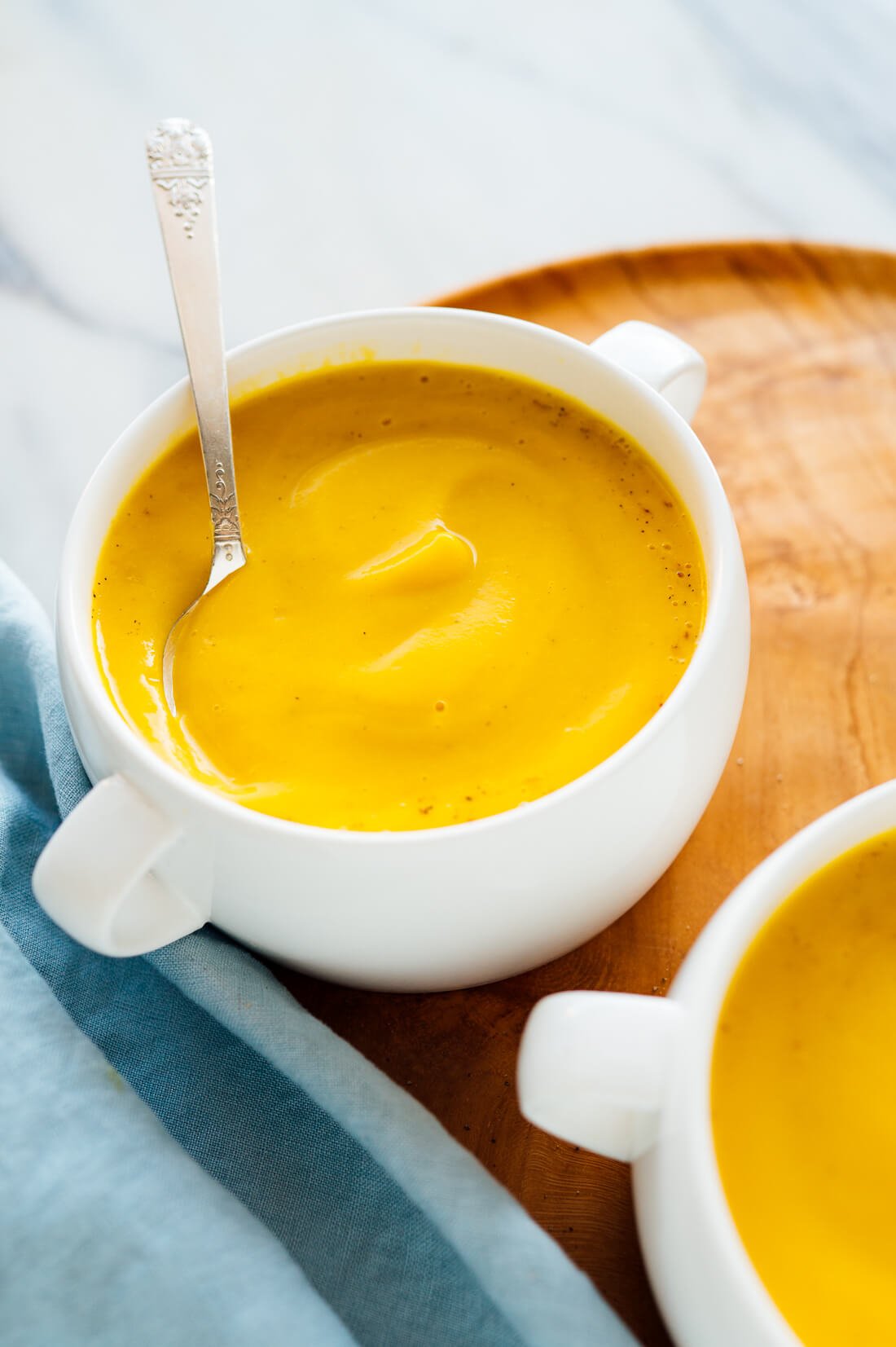
Roasted Butternut Squash Soup: Unlock Rich Flavor & Sweetness
As autumn leaves begin to fall and a crisp chill fills the air, there's nothing quite as comforting and satisfying as a warm bowl of soup. Among the myriad of fall-inspired culinary delights, roasted butternut squash soup stands out as a true seasonal champion. This isn't just any soup; it's a vibrant, naturally sweet, and deeply flavorful creation that transforms humble ingredients into a luxurious meal. The secret? Roasting. By caramelizing the squash, we unlock an incredible depth of flavor and inherent sweetness that simmering alone simply cannot achieve. This process not only concentrates its natural sugars but also makes the squash incredibly tender, setting the stage for a velvety smooth and utterly delicious soup.
Whether you're looking for a hearty weeknight dinner, an elegant starter for holiday gatherings, or simply a cozy dish to ward off the cold, this recipe delivers. It's surprisingly simple to make, yet yields a gourmet result that will impress even the most discerning palates. Join us as we explore the steps to create the ultimate roasted butternut squash soup, packed with warmth, spice, and unparalleled flavor.
The Secret to Superior Flavor: The Roasting Process
While many butternut squash soup recipes exist, the "roasted" element is what truly elevates this dish from good to extraordinary. Roasting the squash before adding it to the soup pot isn't just an extra step; it's a flavor-enhancing powerhouse. The dry heat of the oven promotes caramelization, browning the natural sugars in the squash and creating complex, nutty notes that would otherwise remain dormant. This process also softens the squash, making it incredibly easy to work with and ensuring a silky-smooth final texture.
Choosing Your Star Ingredient: The Perfect Butternut Squash
The foundation of any great dish begins with quality ingredients. When selecting your butternut squash, look for one that feels heavy for its size, indicating a dense, moist flesh. The skin should be smooth and free of blemishes or soft spots. While peeling and cubing a whole squash yourself can be a bit of a workout, many grocery stores now offer pre-peeled and diced butternut squash in their produce section, a convenient option that shaves considerable time off your prep work. If you choose to tackle a whole squash, remember that roasting it first makes the skin much easier to remove – a clever trick to avoid fighting with raw, tough squash skin!
Step-by-Step Roasting for Optimal Results
- Preparation: Begin by cutting your butternut squash in half lengthwise. A sturdy chef's knife is your best friend here. Scoop out the seeds and stringy bits with a spoon. You can save the seeds to roast separately for a crunchy garnish!
- Oil and Arrange: Place the squash halves cut-side down on a parchment-lined baking sheet. Parchment paper is highly recommended for easy cleanup. Rub a little olive oil (or even coconut oil for a subtly different flavor profile) over the skin of each half. This helps with browning and prevents sticking.
- Roast to Perfection: Roast the squash in a preheated oven at 425°F (220°C) until the flesh is fork-tender and slightly caramelized. This usually takes between 30-45 minutes, depending on the size of your squash. The rich aroma filling your kitchen will be your first reward!
- Cool and Peel: Once roasted, allow the squash to cool slightly. This makes it much easier to handle. The skin should peel off effortlessly, or you can simply scoop the tender flesh directly from the skin. Cut the roasted squash into chunks, ready for your soup.
Pro Tip: Roasting your squash can be done a day or two in advance, making this soup an excellent candidate for meal prep. Simply roast, cool, and store the chunks in an airtight container in the refrigerator until you're ready to assemble your soup.
Building Depth: Sautéing Aromatics & Simmering to Perfection
With your beautifully roasted butternut squash waiting in the wings, the next crucial step is to build a robust aromatic foundation. This layer of flavor will complement the squash's sweetness, adding complexity and warmth to your soup.
The Aromatic Foundation: Onions, Garlic, and Ginger
In a large, heavy-bottomed pot or Dutch oven, heat a generous drizzle of olive oil over medium heat. Add finely chopped onion and sauté gently until it softens and begins to turn translucent and slightly golden. This process, often overlooked, is key to developing the onion's natural sweetness and mellowing its pungency. Once the onion is ready, add minced garlic and freshly grated ginger. Ginger is a particularly wonderful addition to butternut squash soup, providing a gentle, spicy warmth that perfectly balances the squash's sweetness. If you enjoy a hint of heat, a tiny pinch of cayenne pepper can be added here as well, blooming in the hot oil to release its full flavor.
Chef's Insight: The order in which you add aromatics matters. Onions need more time to soften and sweeten, while garlic and ginger can burn quickly. Adding them sequentially ensures each ingredient contributes its best flavor without bitterness.
Combining Flavors: Simmering with Stock
Now it's time to bring all the elements together. Add your roasted butternut squash chunks to the pot with the sautéed aromatics. Pour in several cups of low-sodium vegetable or chicken stock. Using low-sodium stock is a wise choice, as it allows you to control the final salt content of your soup precisely. For a vegetarian or vegan version, stick to vegetable stock. If you desire a richer, more savory base, chicken broth works beautifully.
Bring the mixture to a gentle simmer, then cover the pot and let everything cook together for about 10-15 minutes. This simmering period is essential for allowing the flavors to meld and deepen, ensuring every component contributes to the final symphony of taste. During this stage, you can also consider adding a touch more sweetness if your squash wasn't quite sweet enough naturally. A spoonful of brown sugar offers a molasses-like depth, while maple syrup provides a seasonal, earthy sweetness. Remember to taste your soup before adding any sweeteners; the natural sugars from the roasted squash may already be perfect!
Achieving Velvety Smoothness & Creative Customizations
The journey from humble ingredients to a luxurious soup culminates in the blending process, followed by endless possibilities for customization.
The Blend: From Chunky to Creamy (Naturally)
Once the squash is incredibly tender, it's time to transform your chunky mixture into a velvety smooth soup. You have a couple of options here:
- Immersion Blender: An immersion blender (also known as a stick blender) is incredibly convenient. Simply insert it directly into the pot and blend until smooth. This method means less mess and fewer dishes!
- Traditional Blender: If you're using a traditional countertop blender, you'll need to work in batches. Crucial safety tip: Always let hot soup cool slightly before blending. Fill the blender no more than halfway, and remove the small cap from the lid to allow steam to escape (covering the opening with a folded kitchen towel to prevent splatters). Holding the lid down firmly, blend until smooth.
Once blended, assess the consistency. If you prefer a thinner soup for dunking crusty bread, add more stock a little at a time until you reach your desired thickness. Some prefer a thicker, heartier bowl, while others enjoy a slightly lighter texture. For more expert tips on blending and perfecting your soup's consistency, you might find valuable insights in our article on Master Butternut Squash Soup: Essential Roasting & Blending Tips.
Elevate Your Bowl: Sweetness, Tang, & Creaminess
Now is the time for final adjustments. Taste your soup and season generously with salt and freshly ground black pepper. This is also your last chance to add more sweetener if needed. A little splash of rice vinegar (a brilliant tip from some culinary experts) can add a "tangy sparkle" that brightens the entire flavor profile, cutting through the richness beautifully. For a truly creamy soup, stir in a touch of heavy cream, half-and-half, or for a vegan option, full-fat coconut milk at the very end, just until warmed through. This adds an extra layer of decadence without overpowering the roasted squash flavor.
Garnish Galore: The Final Flourish
Serving your roasted butternut squash soup is an opportunity for artistic expression. Ladle the hot soup into bowls and finish with a flourish of garnishes. The possibilities are endless:
- A dollop of sour cream, crème fraîche, or plain Greek yogurt.
- Fresh herbs like chives, sage, or parsley.
- Crispy croutons for texture.
- Shredded or crumbled cheese (Parmesan, Gruyère, feta, goat cheese, or sharp cheddar).
- Toasted nuts (pecans, walnuts) or pumpkin seeds (pepitas).
- A drizzle of high-quality olive oil or a swirl of coconut cream.
- Crumbled crispy bacon or a sprinkle of smoked paprika.
Each garnish adds another layer of flavor and texture, transforming your soup into a truly gourmet experience. Experiment and find your favorite combinations! For more creative variations and tips on customizing your soup, explore Easy Butternut Squash Soup: Creamy, Cozy, and Customizable.
A Cozy Culinary Classic
Roasted butternut squash soup is more than just a recipe; it's an experience. From the sweet aroma of roasting squash to the warming spices and the final velvety texture, every step contributes to a dish that is both comforting and sophisticated. It celebrates the natural bounty of the season, transforming simple ingredients into a meal that nourishes both body and soul. Whether served as a hearty centerpiece for a weeknight dinner with a loaf of crusty bread or as an elegant starter for your most cherished holiday gatherings, this soup is sure to become a beloved fall tradition in your kitchen. Unlock the rich flavors and natural sweetness through the magic of roasting, and savor every spoonful of this timeless classic.
